
Some wars, the best ones, end with everyone winning and the whole village eating better than they ever imagined possible.
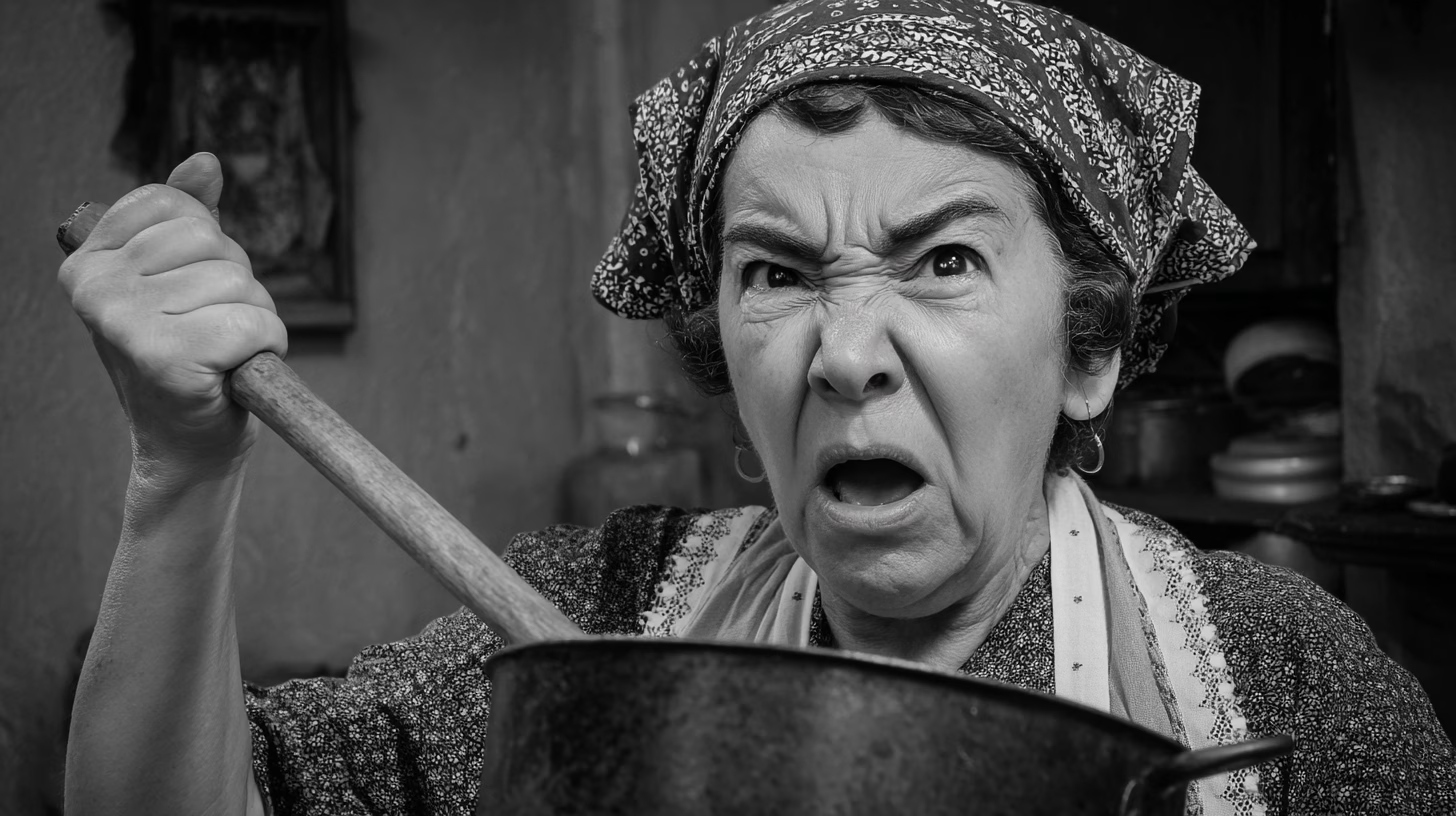
That’s Tía Beatriz in the photograph, ladle raised like a weapon, jaw set in that particular expression that meant someone had insulted her caldo gallego. January 1958 – the month everything went magnificently, ridiculously wrong between our kitchen and Carmen Varela’s next door. What started as a simple disagreement over whether proper caldo gallego required chorizo or not became a three-winter war that divided half of the village and produced the finest soup either house had ever made. The peace treaty, signed over grelo and entirely too much Albariño in March 1961, is still talked about at Sunday dinners.
What We Were Fighting Over
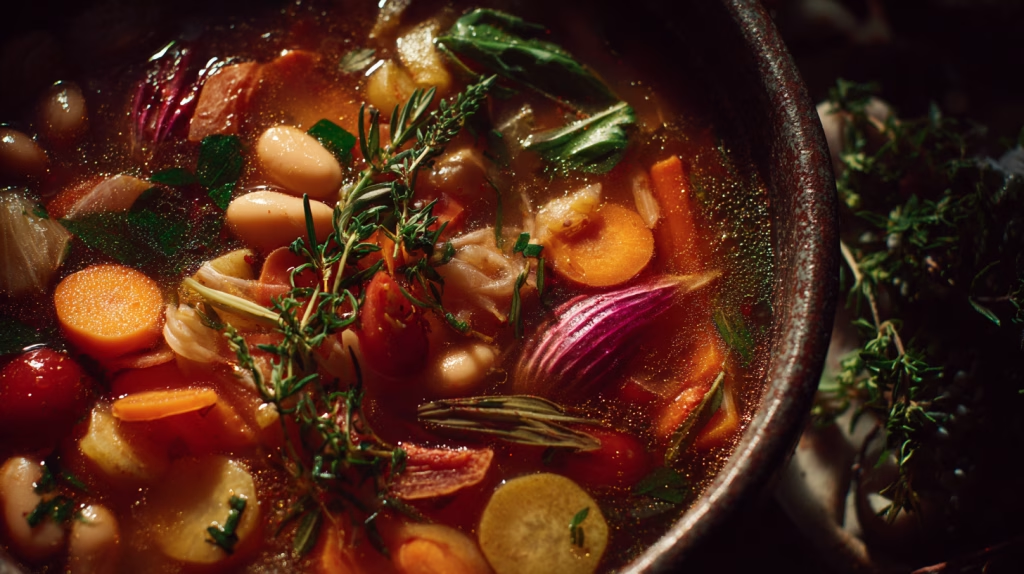
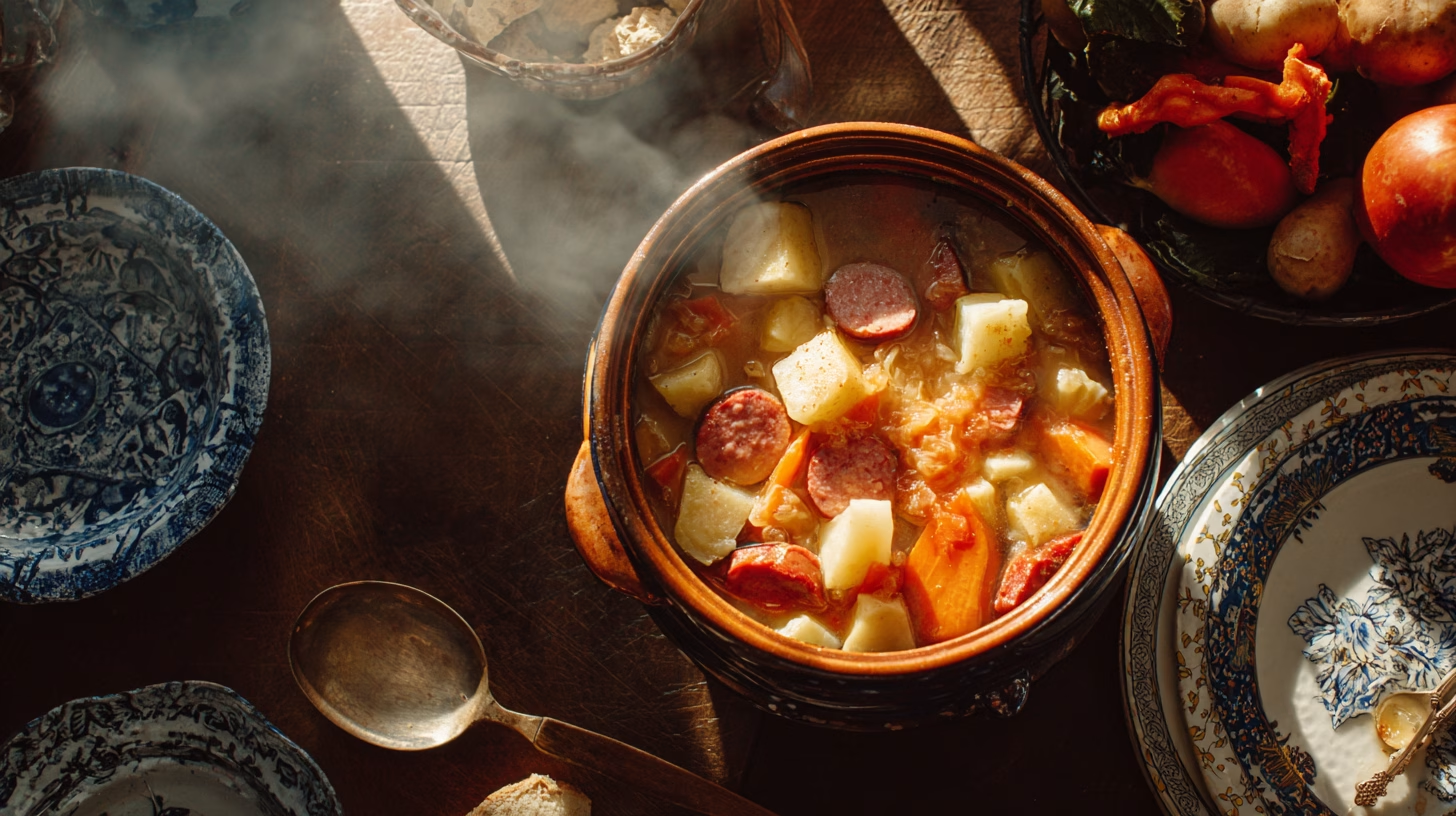
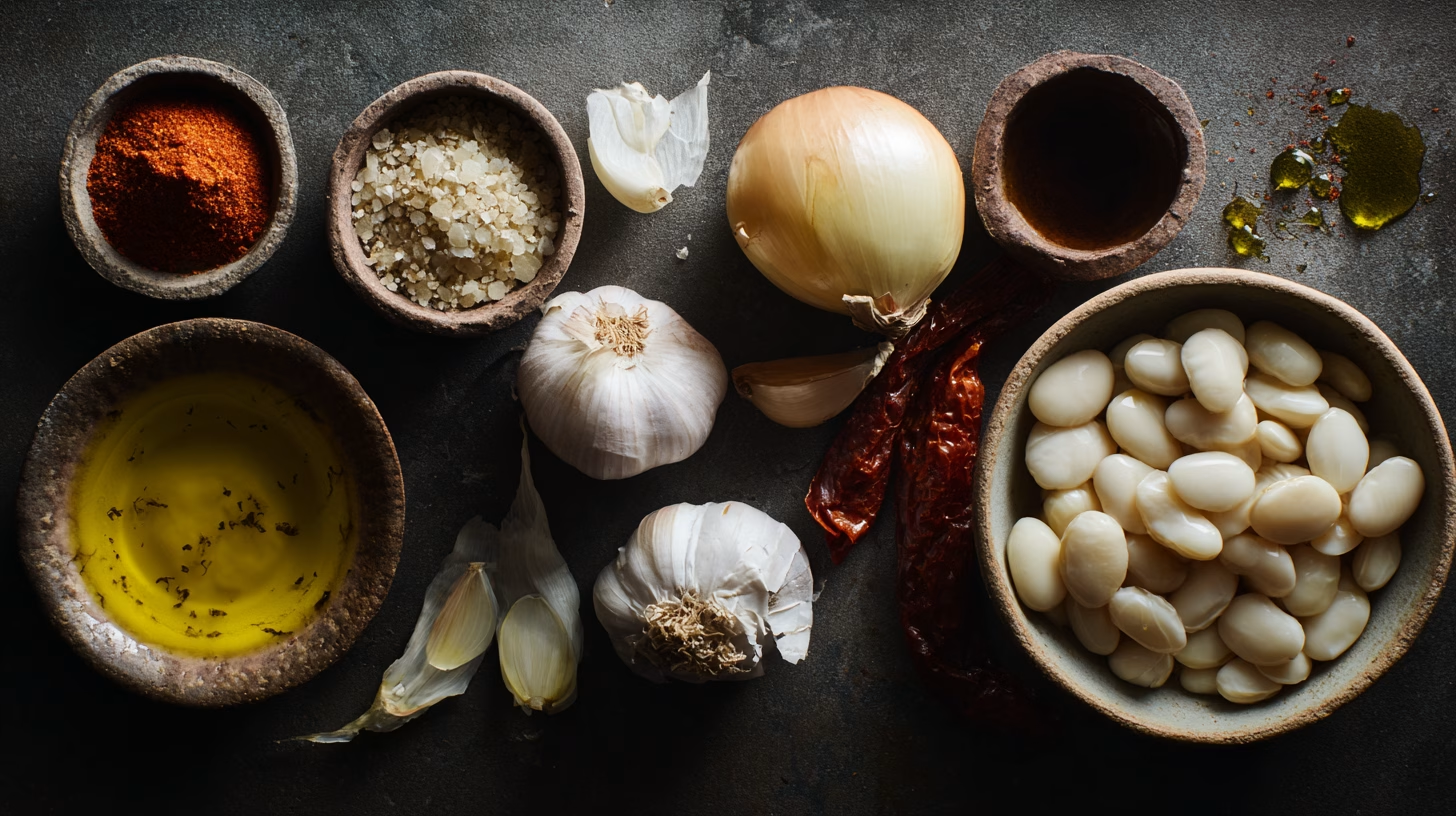
To understand why two grown women spent three years in soup combat, you need to understand what caldo gallego actually is. This isn’t just any soup – it’s Galicia’s soul in a bowl, a peasant dish elevated to cultural patrimony. The foundation is simple enough: white beans (alubias blancas), potatoes (cachelos, cut into chunks), turnip greens (grelos, nabizas, or berzas depending on the season), and pork. The controversy, as it always is with traditional food, lies in the details.
Caldo gallego emerged from Galicia’s rural economy, born of necessity and abundance in equal measure. The greens came from the family vegetable garden, the beans from the previous harvest stored through winter, the potatoes from the endless potato fields that feed the region, and the pork from the family pig, slaughtered in late fall during the traditional matanza. Every part of the pig found purpose: the fat for flavor, the bones for body, the meat for substance. In its original form, this was sustenance for people working the fields from dawn to dark, a hot meal that could simmer all morning and feed a family plus whoever stopped by at lunchtime.
The Shot Heard ‘Round the Kitchen
It began, as most disasters do, with the best of intentions. Carmen had complimented Tía Beatriz’s caldo gallego at Christmas dinner, then added, fatally, “though my grandmother always said chorizo made it too heavy for proper digestion.”
Now, here’s where the ancient regional debate erupted in our kitchen. Traditional caldo gallego, the kind documented in 19th-century Galician cookbooks, was made with lacón (pork shoulder), tocino (pork belly), and perhaps unto (rendered pork fat), but not chorizo. The chorizo addition came later, probably early 20th century, when families had more resources and wanted extra flavor. By 1958, most home cooks included it, but purists like Carmen’s grandmother considered it an unnecessary corruption of the original recipe.
Beatriz, who had been making her caldo gallego the same way since 1934, set down her wine glass with the deliberate care of a woman preparing for battle. “Heavy?” she repeated, voice deadly quiet. “Carmen, querida, perhaps your grandmother’s digestion was simply…delicate.” By New Year’s Eve, both kitchens were in full production mode, each determined to prove their version superior. The entire town chose sides faster than you could peel a potato.
Battle Lines in the Broth
The rules of engagement were established quickly. Both kitchens would serve their caldo gallego every Sunday through winter. The village would judge by attendance—whose table drew more neighbors, whose pot emptied first. Beatriz recruited her sister Rosa and our cook Pura, forming what the men called ‘the soup tribunal.’ Carmen enlisted her daughter Esperanza and, surprisingly, old Tomás from the vineyard, who claimed expertise based solely on having ‘eaten soup longer than anyone else alive.’ Our family kitchen became a laboratory of beans, greens, and precisely measured chorizo, following what had become the standard mid-century approach:
Tía Beatriz’s Championship Caldo Gallego (serves 8-10)
- 500g dried white beans (soaked overnight)
- 300g lacón or salt pork
- 200g tocino (pork belly)
- 200g chorizo (the point of contention)
- 1 ham bone or pig’s ear for depth
- 500g potatoes, peeled and cut into chunks
- 500g grelos (or turnip greens or collard greens)
- 4-5 cloves garlic
- 1 tablespoon pork fat or olive oil
- Salt to taste
- Water (about 3 liters)
The method Beatriz swore by: Start the beans in cold water with the lacón, tocino, and bone. Bring to boil, then simmer for 90 minutes. Add potatoes and chorizo, cook another 30 minutes. Add greens in the final 10 minutes – they should retain some structure, not dissolve into the broth. The timing of the chorizo addition was everything; too early and it dominated, too late and it contributed nothing.
The Varela house responded with Carmen’s purist approach, which eliminated the chorizo entirely, doubled the tocino, and added a pig’s ear for that authentic gelatinous body that old-timers remembered from their childhoods. Her greens went in earlier, creating a more integrated broth. Both versions filled their respective courtyards with aromatic clouds of pork fat, beans, and greens.
The Winter of Maximum Flavor
January brought reinforcements. Beatriz’s nephew Julio arrived from Pontevedra with ‘superior beans’ from his mother-in-law’s garden. This matters more than it sounds: different bean varieties absorb flavor differently, hold their shape with varying degrees of stubbornness, and create broths ranging from thin to almost creamy. The local granja asturiana beans were prized for their thin skin and buttery interior, while beans from further inland had more structure.
Carmen countered by importing special greens from her cousin in Vigo, declaring them ‘more traditional than anything grown locally.’ She had a point; authentic grelos, the young shoots of turnip plants harvested in late winter, have a distinctive bitter edge that distinguishes real caldo gallego from mere soup. In summer or early fall, cooks substitute turnip greens or collards, but the flavor shifts toward mild and sweet, losing that characteristic bite.
The competition escalated beyond recognition. Both women began rising at dawn to start their broths, timing the chorizo addition with astronomical precision. Sunday gatherings swelled to impossible proportions as word spread through the valley. People came from neighboring villages, bringing friends, making pilgrimages to taste what locals called ‘the greatest caldo gallego battle in Galician history.’ Even the local priest, supposedly neutral, was spotted accepting second helpings at both tables.
The Grelo Intervention
By February 1961, the feud had outlasted three winters and two village priests. Children had grown up knowing no Sunday without choosing a soup side. Then Rosa, Beatriz’s sister and the village’s unofficial diplomat, staged what she called ‘the grelo intervention.’ She appeared at both kitchens on the same Sunday morning with identical baskets of young turnip greens and a simple proposal: one final cook-off, same ingredients, winner takes all. But the twist – they would cook together, in our kitchen, sharing techniques and tasting each other’s work. The idea was so radical it almost caused another war.
Instead, it produced the most magnificent caldo gallego either woman had ever created, combining Beatriz’s chorizo mastery with Carmen’s perfect bean timing. Carmen’s bean-cooking technique produced a creamier broth. She brought the pot to a full boil, then dropped it to the barest simmer, which kept the beans intact while releasing their starch. Beatriz’s chorizo timing was indeed perfect; added with the potatoes, it had exactly 30 minutes to release its paprika and fat without overwhelming the delicate bean flavor. Carmen’s insistence on pig’s ear added a silky body that elevated the entire dish. Beatriz’s garlic refrito, barely mentioned before, turned out to be crucial: three cloves sliced and browned in pork fat, added in the final minutes.
A caldo so delicious had never been tasted across the monte.
The Peace Treaty and Perfect Soup
The armistice was signed over that collaborative pot of caldo gallego, three bottles of our best Albariño, and grelo sautéed with enough garlic to wake the dead. Both women admitted, slightly drunk and completely exhausted, that the competition had made them better cooks than they’d ever been alone. The peace treaty, written on the back of Rosa’s shopping list, established the ‘Malvas Accord’: both recipes would be declared equally magnificent, both women would share their techniques with anyone who asked, and Sunday soup would alternate between houses by month. The document, wine-stained and barely legible, still hangs in our kitchen next to Agustín’s poetry. Because some wars, the best ones, end with everyone winning and the whole village eating better than they ever imagined possible.
What Three Winters of Soup War Taught Us
-
Never compliment someone’s caldo gallego and then suggest improvements in the same breath (this is how feuds begin)
-
The secret to great caldo gallego is timing the chorizo addition like a church bell: precise, inevitable, and heard throughout the neighborhood
-
If your neighbors start cooking competitively, invest in larger wine supplies. Peace treaties require proper lubrication
-
Winter soup wars only end when someone suggests cooking together; until then, enjoy the show and the free tastings
-
Keep old family recipes, but also keep your sense of humor about them. They’re meant to bring people together, not drive them apart
The photograph of Tía Beatriz still makes our family smile, that fierce determination over something as simple as soup. But maybe that’s exactly the point. In Galicia, nothing is ever just simple. Our caldo gallego carries stories, grudges, reconciliations, and Sunday afternoons that stretched into evening because no one wanted to leave the table. Come winter, when the greens are perfect and the chorizo is singing in the pot, you’ll understand why two women spent three years fighting over the right way to make it. Some things are worth defending, especially when they end in friendship, wine, and the most magnificent soup anyone’s ever tasted.