
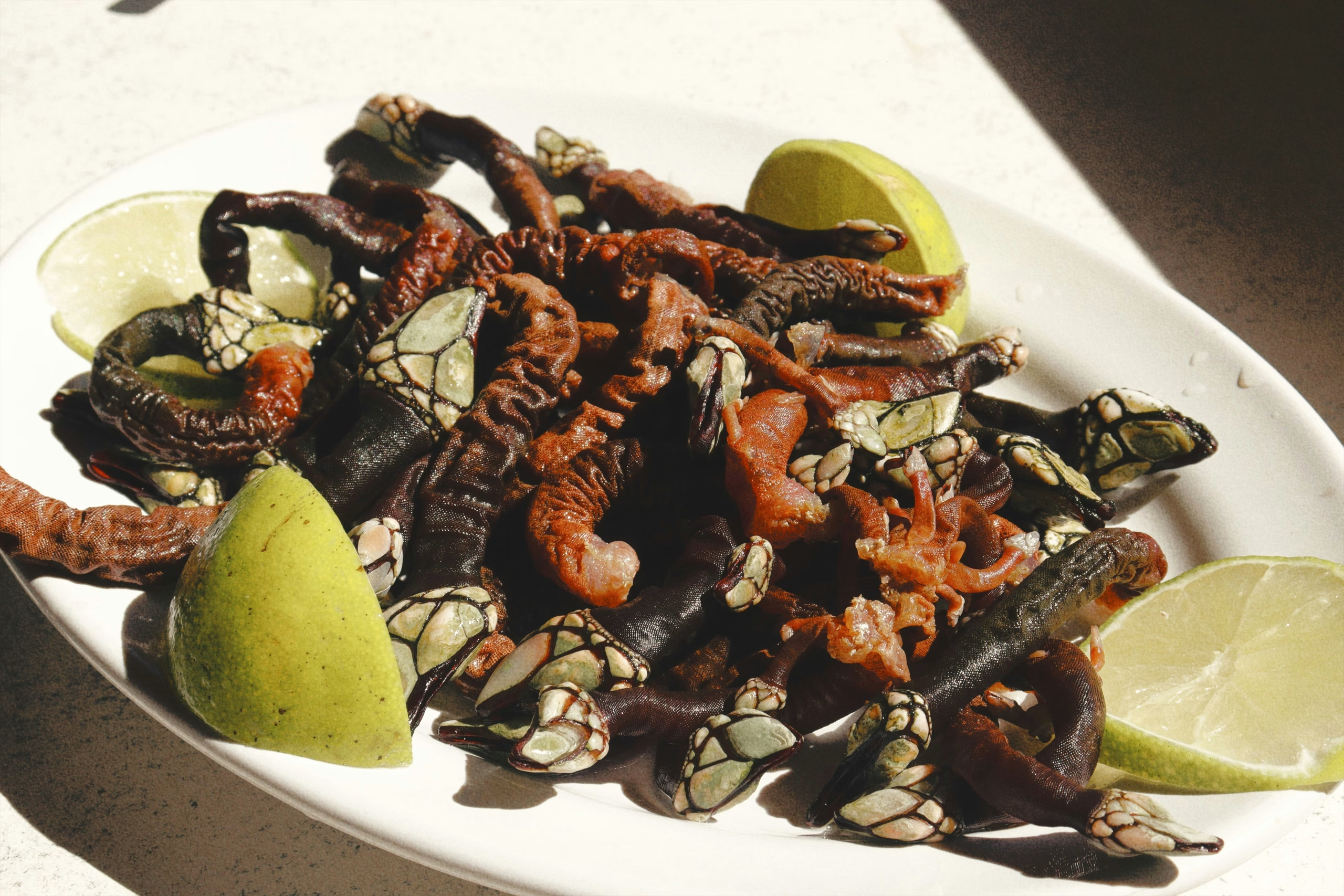
In Galicia's winter markets, percebes aren't just expensive...they're a blood sport where grown men argue over barnacles worth more than rent.
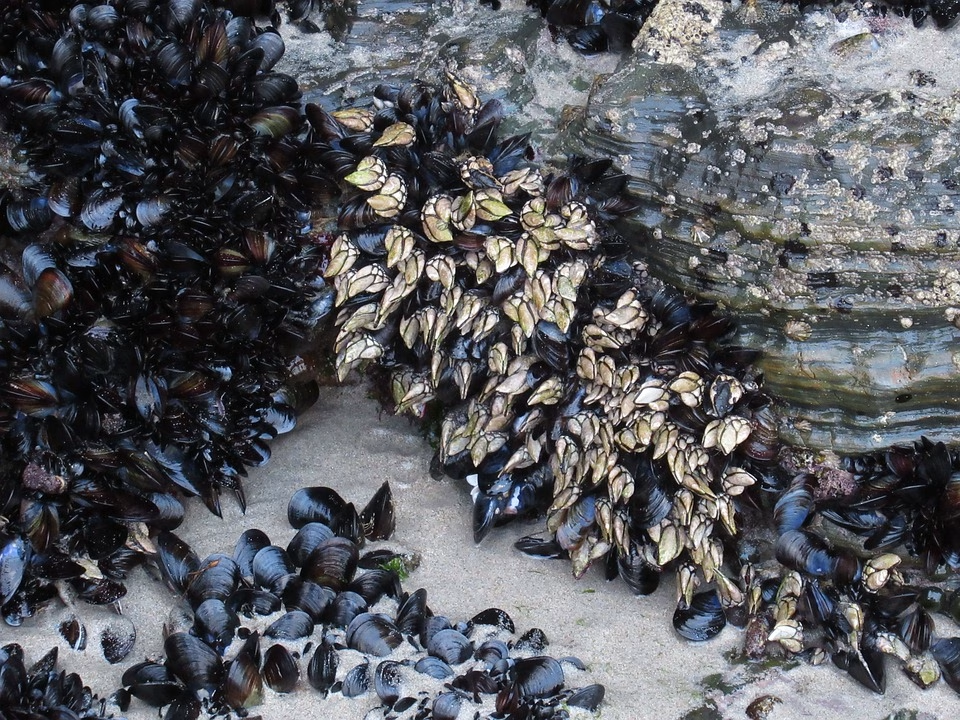
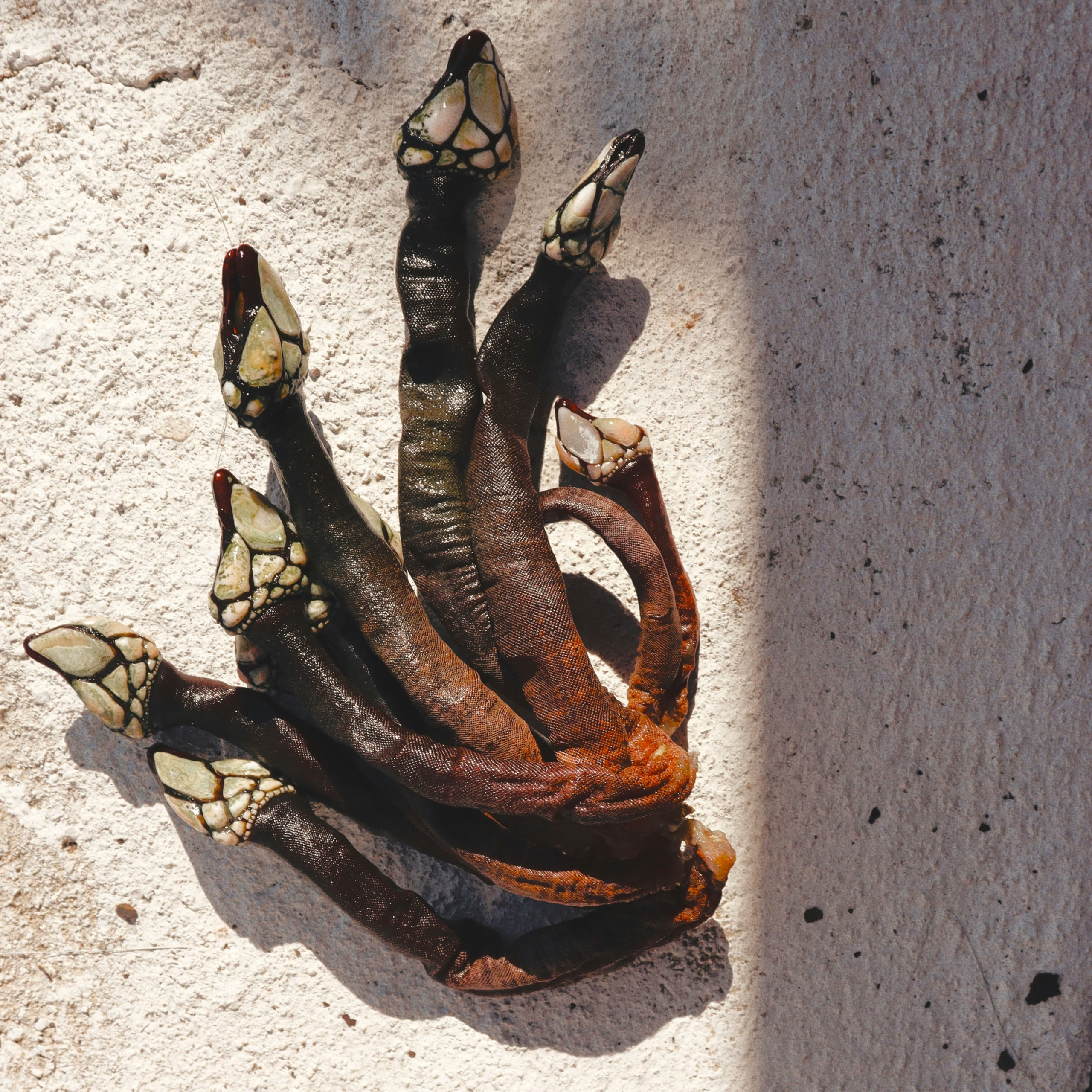
Laura has been buying percebes at Ribeira’s fish market for thirty-seven years, and she can spot a tourist from fifty meters away. “They touch everything,” she tells me, watching a well-dressed man from Madrid poke suspiciously at a pile of gooseneck barnacles. “They ask stupid questions. And they always, always try to negotiate.” In Galicia’s winter seafood markets, percebes aren’t just expensive…they’re a blood sport. These “devil’s fingernails” command prices that would make a wine collector weep, and the people who harvest them risk their lives on Atlantic cliffs for what locals call “liquid gold with claws.”
Meet the Percebeiros: Galicia’s Most Stubborn Entrepreneurs
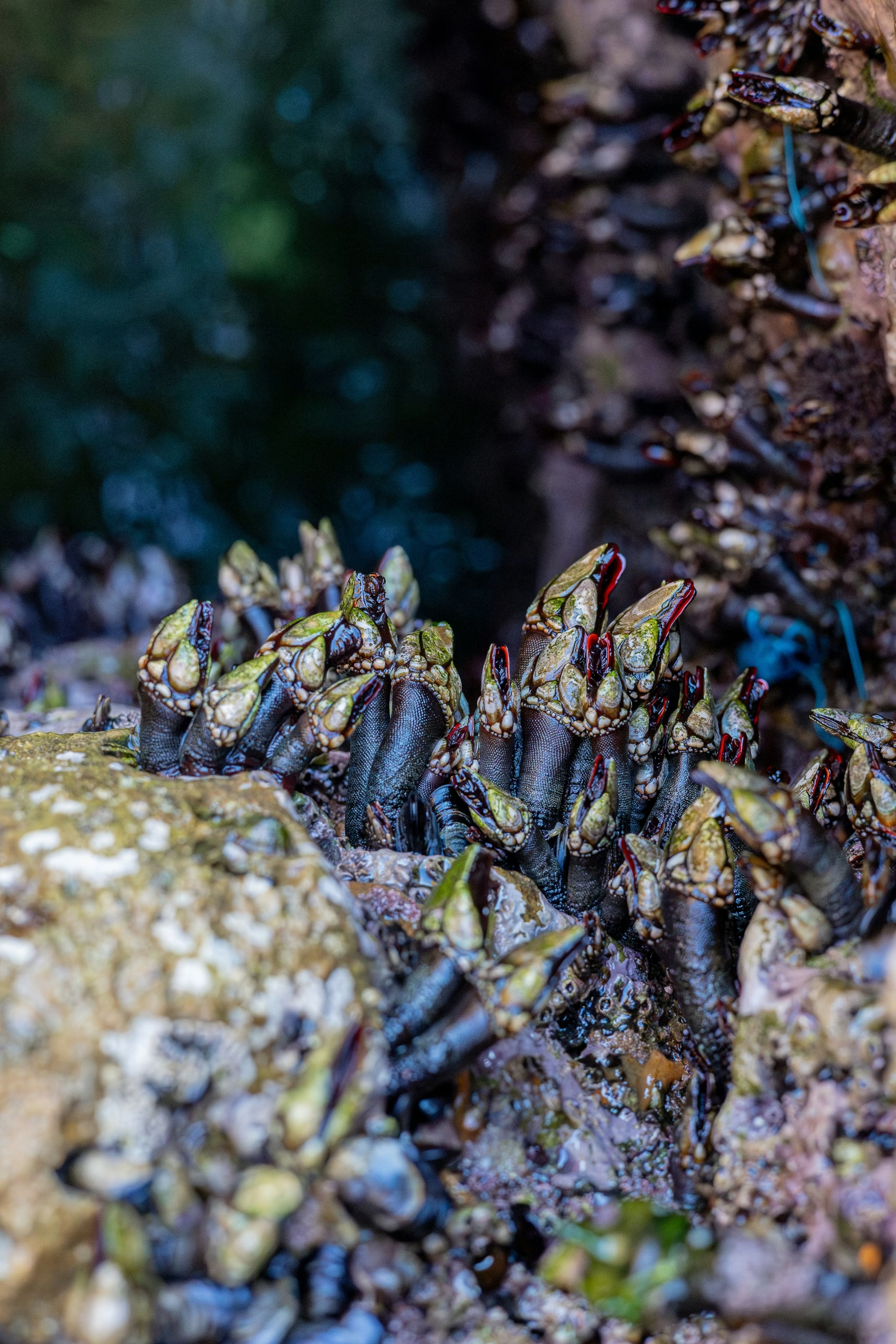
The percebeiros who supply the markets are a particular breed of Galician. Often, their father harvested percebes before them, and their grandfathers before that. It’s a family tradition that’s equal parts noble and completely insane. “The sea doesn’t care about your mortgage,” Manolo, a local percebeiro, explains, showing me scars from barnacle cuts and Atlantic storms. He wakes at 4 AM during winter to check the tides, the wind, and what he calls “the mood of the rocks.” The harvest happens at low tide, when the barnacles are exposed on cliff faces that would terrify most rock climbers. One wrong step, one surprise wave, and you’re feeding the fish instead of selling to restaurants. Yet Manolo wouldn’t trade jobs with anyone. “Office workers,” he says with genuine pity, “have no idea what they’re missing.”
The Auction: Where Fortunes Rise and Fall Over Barnacles
The real drama happens at dawn in the lonjas, the fish auctions where percebes prices swing like a deranged stock market. Grown men argue over five euros per kilo while restaurant buyers pace like caged leopards, calculating profit margins in their heads. The auctioneer speaks so fast he sounds like a sugar-addicted toddler, while buyers communicate through a complex system of eyebrow raises and finger twitches that would impress even the most professional of poker players. Last December, premium percebes hit 180 euros per kilo.
How to Eat Percebes
Now comes the important part: eating these expensive devils without looking like a complete amateur. First rule: never use a knife. You twist and pull, while gripping a barnacle’s leathery neck. “Gentle but firm, like you’re opening a stubborn wine bottle,” comments Oliver. The meat inside should be orange-pink and smell like the cleanest ocean you’ve ever imagined.
Second rule: eat them hot, preferably with nothing but coarse sea salt and a good Albariño. Some will serve theirs with bread to soak up the briny juices, but purists like my neighbor Pilar insist that’s for tourists. “Bread is for weak stomachs,” she declares, though I’ve seen her sneak pieces when she thinks nobody’s looking. The best percebes taste like concentrated sea: intense, primal, and completely addictive.
Percebes season runs roughly from November through March, with January and February producing the most prized specimens. This coincides perfectly with chestnut season and creates what locals call the perfect winter meal: percebes with chestnuts and young wine. But timing your market visit matters enormously. Tuesday and Friday are delivery days in most coastal towns, when the freshest percebes arrive from the previous day’s harvest. Show up on Monday, and you’ll get Saturday’s leftovers at full price. Show up at 6 AM on delivery day, and you might witness locals’ legendary quality-control rants, which are worth the early wake-up call alone.
Insider Secrets from the Percebe Underground
-
Never buy percebes on Mondays; you’re getting weekend leftovers at premium prices
-
The best percebes make a slight “pop” sound when you twist them open. Silence means they’re past their prime
-
Bring cash to the morning auctions; credit cards mark you as an outsider faster than a tourist guidebook
-
If the vendor won’t let you smell before buying, find another vendor (or prepare to be disappointed)
Next winter, when you’re sitting in some generic restaurant paying tourist prices for mediocre seafood, remember that somewhere in Galicia, Laura is arguing with a customer about proper barnacle appreciation while Manolo risks his neck on cliff faces for something most of the world has never heard of. Better yet, come join us for the real experience, where every meal comes with stories, every market visit is an education, and every percebe tastes like liquid adventure. Just don’t touch anything without permission. Laura is watching.